
Editor’s Note: Judge Stephen McGlynn is currently presiding over several consolidated cases challenging Illinois’ “assault weapons” ban, including Harrel v. Raoul, Barnett v. Raoul, Langley v. Kelly, and Foster v. Raoul. These cases collectively question the constitutionality of the state’s restrictions on firearms and large-capacity magazines under the Second Amendment.
Additionally, Judge McGlynn is overseeing Carlin Anderson vs. Kwame Raoul, referenced below, which challenges Illinois’ ban on suppressors. The outcome of this case holds significant implications for gun rights advocates nationwide, particularly regarding the legal status of suppressors as protected “arms.”
Hat tip to Greg Bishop of Bishop On Air for his excellent real-time coverage of these proceedings.
The ongoing battle for Second Amendment rights took center stage in the courtroom once again in the 2nd Amendment challenge to Illinois’ assault weapons ban. However, as that case proceeds, Mark Smith notes some of the takeaways that may impact the upcoming case of Carlin Anderson vs. Kwame Raoul.
At the heart of the 2nd case, Carlin Anderson vs. Kwame Raoul is the legal conflict of Illinois’ ban on suppressors—a critical piece of legislation that has ignited passionate debates about its constitutionality. The implications of this case extend far beyond state lines, with the potential to set a precedent in suppressor regulation across the country. U.S. District Court Judge Stephen McGlynn’s courtroom has become a pivotal battleground in determining whether these firearms accessories, often demonized by big Hollywood and anti-gun advocates, fall under the protection of the Second Amendment.
Judge McGlynn’s Connection of the Dots
Mark Smith of the “Four Boxes Diner” YouTube channel highlighted a significant development in the Anderson case, noting that Judge McGlynn’s remarks during the Illinois assault weapons ban trial suggest a profound understanding of firearm technology and its role in self-defense. McGlynn’s observations, backed by expert testimony, underscored that suppressors, which protect hearing during firearm use, serve a critical safety function rather than posing a public threat. In fact, Smith connected the judge’s discourse on suppressors to the common-use test established by the Supreme Court, pointing out that suppressors improve firearm use by making them safer—both for the user and those nearby.
Judge McGlynn’s conversation with expert witnesses during the trial delved into how suppressors align with the right to self-defense. As McGlynn pointed out, firearms can be loud and disorienting in moments of self-defense, potentially harming those trying to defend themselves. Suppressors minimize this risk by dampening the sound, making them more efficient and safer for lawful firearm owners.
By linking suppressors to the facilitation of self-defense, McGlynn appeared to align with the idea that suppressors qualify as “arms” under the Second Amendment.
Suppressors as Arms: A Constitutional Argument
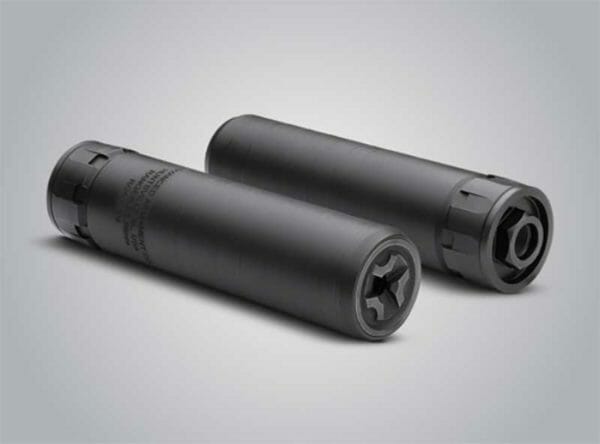
One of the key legal arguments in Anderson vs. Raoul, embedded below, revolves around whether suppressors should be considered “arms” under the Second Amendment.
The U.S. Supreme Court, in cases like Heller and Bruen, has established that the Second Amendment protects firearms and accessories used in common lawful purposes like self-defense. Smith emphasized that suppressors are used by millions of Americans and are neither “dangerous” nor “unusual,” a standard set by the Court for determining whether an item can be banned. There are over three million legally registered suppressors in the United States, demonstrating their commonality.
“Suppressors facilitate armed self-defense,” Smith explained, reinforcing the idea that they meet the criteria established in Bruen. The burden of proof, therefore, falls on the state to demonstrate a historical tradition of banning suppressors—something that history does not support.
Illinois’ Ban and McGlynn’s Judicial Insight
Illinois, alongside several other states, took the step of banning suppressors outright, a move that Carlin Anderson case is challenging based on Second Amendment grounds. In contrast, federal law, under the National Firearms Act (NFA), permits suppressors but heavily regulates their sale and transfer. Illinois’ more aggressive stance on the issue has sparked legal pushback, with Judge McGlynn now tasked with navigating the nuances of federal and state law as they intersect with constitutional rights.
In a recent hearing, Judge McGlynn questioned why his wife, weighing around 100 pounds, would be expected to defend herself with a 12-gauge shotgun when a carbine might be a more practical and less physically taxing option.
His query underscored the broader point that firearms, and by extension their accessories, serve varying functions depending on the user’s needs. For individuals with physical limitations, suppressors and other accessories can significantly enhance their ability to defend themselves effectively. This line of thinking suggests that McGlynn is weighing the human factors involved in self-defense scenarios, making it clear that suppressor bans might disproportionately harm individuals who rely on these tools for lawful protection.

What’s at Stake?
Carlin Anderson vs. Kwame Raoul is not just about suppressors—it is about the very essence of the Second Amendment. Should the court rule in Anderson’s favor, it would affirm the idea that suppressors are, indeed, protected “arms” under the Constitution and that the state of Illinois has overstepped its authority by enacting a total ban. On the other hand, if the court sides with Raoul, it would bolster state efforts to enact more restrictive firearm accessory laws in the future, setting a dangerous precedent for gun owners nationwide.
In his analysis, Smith was optimistic about the future of suppressor rights, noting that Judge McGlynn’s understanding of firearms and his application of Supreme Court precedents suggest a potential victory for Anderson. With McGlynn already connecting the dots between suppressors and the Heller and Bruen decisions, the case seems to be heading toward a pivotal moment that could reshape suppressor regulations across the country.
Live Inventory Price Checker

|
Elite Ifm7 Suppressor 7.62 Direct Thread - Elite Ifm7 Suppressor 7.62 Quick Detach Brown | Brownells.com | $ 1899.99 $ 1429.00 |
|
|
Rugged Suppressors Surge 7.62 Modular Suppressor | Rainier Arms | $ 945.00 |
|
|
Rugged Razor 762 Rifle Suppressor, .30 Cal Quick Detach Suppressor, Black | Bereli | $ 699.00 |
|
|
|
Rugged Suppressors RX Blast Diverter/Brake for Rugged Suppressors - RX001 | Palmetto State Armory | $ 227.99 $ 204.99 |
|
Looking Ahead
The outcome of the upcoming Carlin Anderson vs. Kwame Raoul could have far-reaching implications, not only for Illinois gun owners but for Second Amendment rights nationwide. As Judge McGlynn continues to preside over this critical case, pro-gun advocates like Mark Smith remain vigilant, hopeful that the court will recognize suppressors as essential tools for self-defense. This case, alongside others challenging Illinois’ restrictive gun laws, represents a crucial moment for gun rights in America, with the potential to uphold the rights of law-abiding citizens to defend themselves with the best tools available.
As the case moves forward, pro-gun supporters are encouraged to stay informed and active, as these battles in the courtroom will undoubtedly shape the future of firearm regulations in the United States.
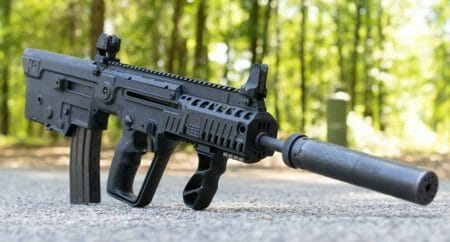
Carlin Anderson vs Kwame Raoul


In my years with The Bell System, a regular task was to oversee a periodic test run of the emergency engine: usually a very large GMC 71 series diesel that drove an alternator that powered critical equipment during a power outage. While in the sound insulated engine room, we were required by OSHA to wear PPE, Personal Protective Equipment, in this case safety glasses and a set of ear muffs just like the ones required on most shooting ranges. My point is, in a reasonable logical world, OSHA would require use of suppressors, along with safety eye wear by shooting… Read more »
It has already been legally determined that there are firearm “accessories” that are covered under 2A. Stop calling suppressors “arms”, they are not arms, THEY ARE an accessory. A suppressor on its own can’t shoot or stab you even though a few could be used as a stick, but they are designed to be light so that’s not very effective. A suppressor is no more an “arm” than earplugs or headphones are, and they serve the same purpose. Btw…the number of suppressors owned by civilians is far greater than those in the possession of LEO’s and the military. If that… Read more »
I haven’t read the article or watched the video and the reason why is because if pepper spray is considered to be (in common use) suppressors should be in the same category and shouldn’t require a license, fee or permit. Take away the 1934 NFA act. Our guns and how we use them and what they have is our business. No where in “Shall not be infringed” does it say except for or but or OR, or and. I hope the way I wrote it makes as much sense and is as clear and concise as ATF laws, rules, regs… Read more »
While playing games with the “common use” clause of the Constitution (that has been invented out of thin air) may seem like a winning proposition, it is dangerous to do so. Expanding the simple reading of the Constitution allows for varied interpretations, as can be seen from the pages of arguments for gun control. It is best to keep it simple.
HLB
The very idea of the “common use” standard is absurd. Government makes things illegal. People cannot buy them. Then the government says their ban doesn’t violate the constitution because they are not in common use. —- but, they are not in common use because the government forced them not to be common use. Or, even better. Lets imagine some one invents a star wars type blaster(Or, any new type of weapon). The government immediately makes them illegal. When taken to SCOTUS, the governments argument will be well blasters are not in common use, therefore the constitution allows them to be… Read more »
Where is the claim that suppressors assist OSHA hearing protection guidelines???
They are not firearms using retard ATF own verbiage, but if they are not “firearms” protected by 2A, then can they become a banned item by other means of Govt?
WHEN is anybody (besides me!) going to stop running up the 100% corrupted legal system, and asking it which ass cheek should be kissed first?? This akin to someone asking a street hoodlum which day of the week is more convenient for them to come by to pick up their extortion money! After all of the instances that I have brought up here of the legal system being totally untrustworthy, and a criminal organization, it seems that nobody can get enough of being buggered by it! Why is that? Is everybody caught up in an abusive relationship with government entities… Read more »
If anything Suppressors should come with every suppressor ready firearm as they are the best hearing protection and stop noise pollution. They are by no means “Silencers” as they are not at all silent. They simply suppress the ear piercing report from a firearm. Better for preservation of hearing and protecting our pets and wildlife from the damaging loud gunshot noise.
lIllinois might think these are “large-capacity magazines”, but we all know they are NOT, and they should never be spoken of as such. They are the standard capacity used everywhere, other than in victim disarmament zones.