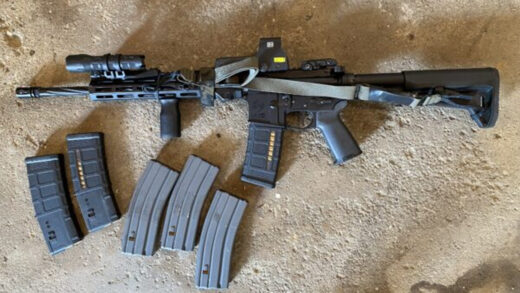
The Supreme Court’s “common use” test provides powerful protection for AR-15s and other widely owned firearms. Second Amendment plaintiff Charles Nichols argues, however, that the doctrine lacks a genuine historical foundation and makes constitutional protection depend on modern ownership numbers.
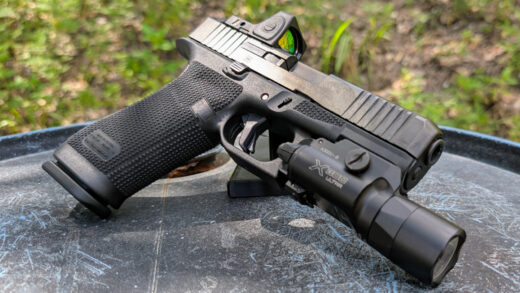
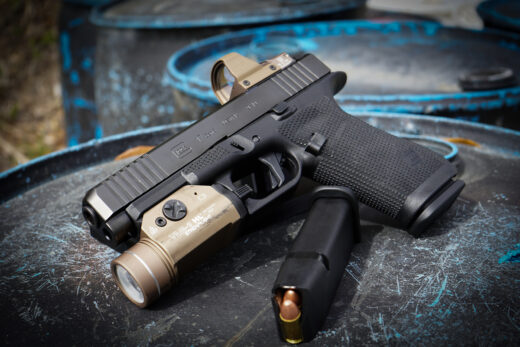
Maryland says Glock-style pistols are different because criminals can illegally convert them. Gun-rights plaintiffs say Heller and Bruen forbid banning common defensive handguns.
The Supreme Court’s decision in Wolford v. Lopez does more than defeat Hawaii’s private-property carry restriction. It also limits how lower courts can dodge Bruen and narrow the Second Amendment before history and tradition are even considered.
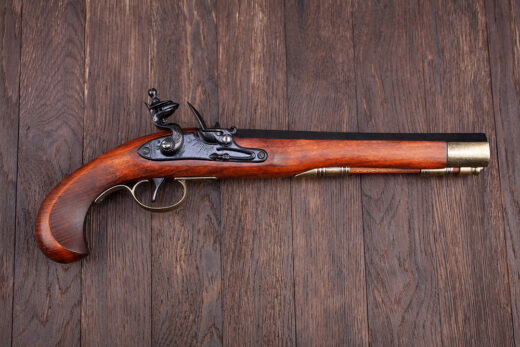
Were pistols common in Revolutionary America? Historical evidence from Cramer and Olson’s Willamette Law Review article shows pistols were privately owned, commercially available, and familiar to Americans at the Founding.
Records from the Siege of Boston show that residents surrendered 1,778 firearms, 634 pistols, and 38 blunderbusses in 1775, offering powerful evidence that handguns were commonly owned during the founding era.
NSSF says it is ready to sue if Maryland enacts SB 334, while Maryland Shall Issue and NRA-ILA warn the bill targets common Glock-style striker-fired pistols owned by law-abiding Americans.
Plaintiffs in Heeter v. James say New York’s body armor ban is unconstitutional because it blocks law-abiding citizens from acquiring common defensive equipment.
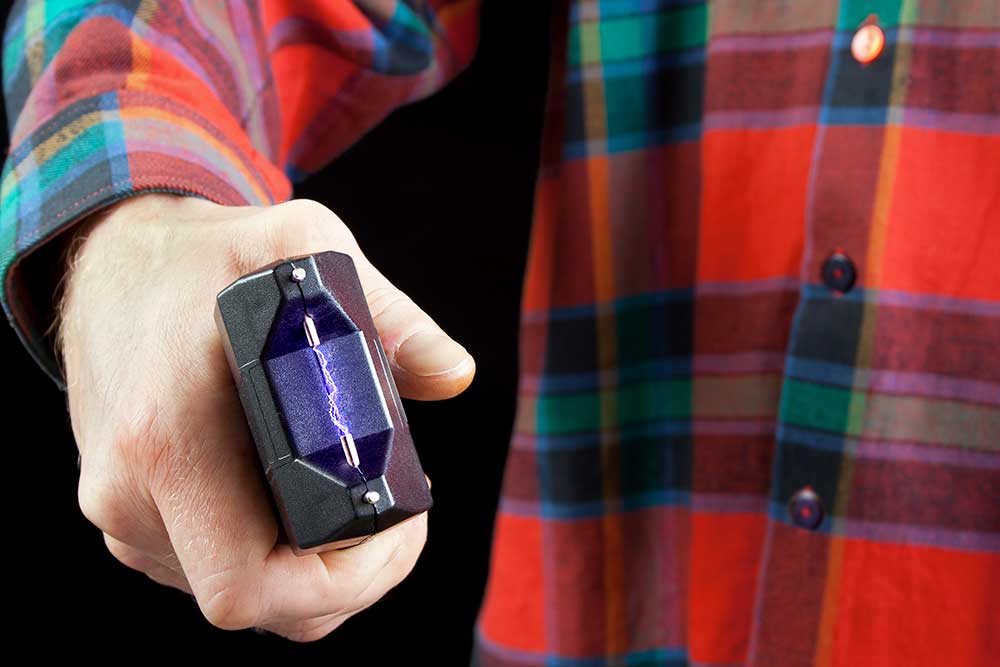
In Calce v. City of New York, Second Circuit judges appeared focused on whether challengers proved stun guns are in “common use,” highlighting how lower courts want to slip that issue into Bruen step one and avoid forcing the government to defend a ban with real historical analogues.
Since no innovation ever begins “in common use,” a government with the power to do so can ban all new weapon developments from those they would rule, retaining them exclusively for itself.

 RSS feed