
On November 26, 1926, John Moses Browning passed away in Liege, Belgium, at the age of 71.
This Day in History: John Moses Browning Dies

America’s oldest Second Amendment News outlet.
 RSS feed
Logan Metesh is a historian with a focus on firearms history and development. He runs High Caliber History LLC and has more than a decade of experience working for the Smithsonian Institution, the National Park Service, and the NRA Museums. His ability to present history and research in an engaging manner has made him a sought-after consultant, writer, and museum professional. The ease with which he can recall obscure historical facts and figures makes him very good at Jeopardy!, but exceptionally bad at geometry.
On November 26, 1926, John Moses Browning passed away in Liege, Belgium, at the age of 71.
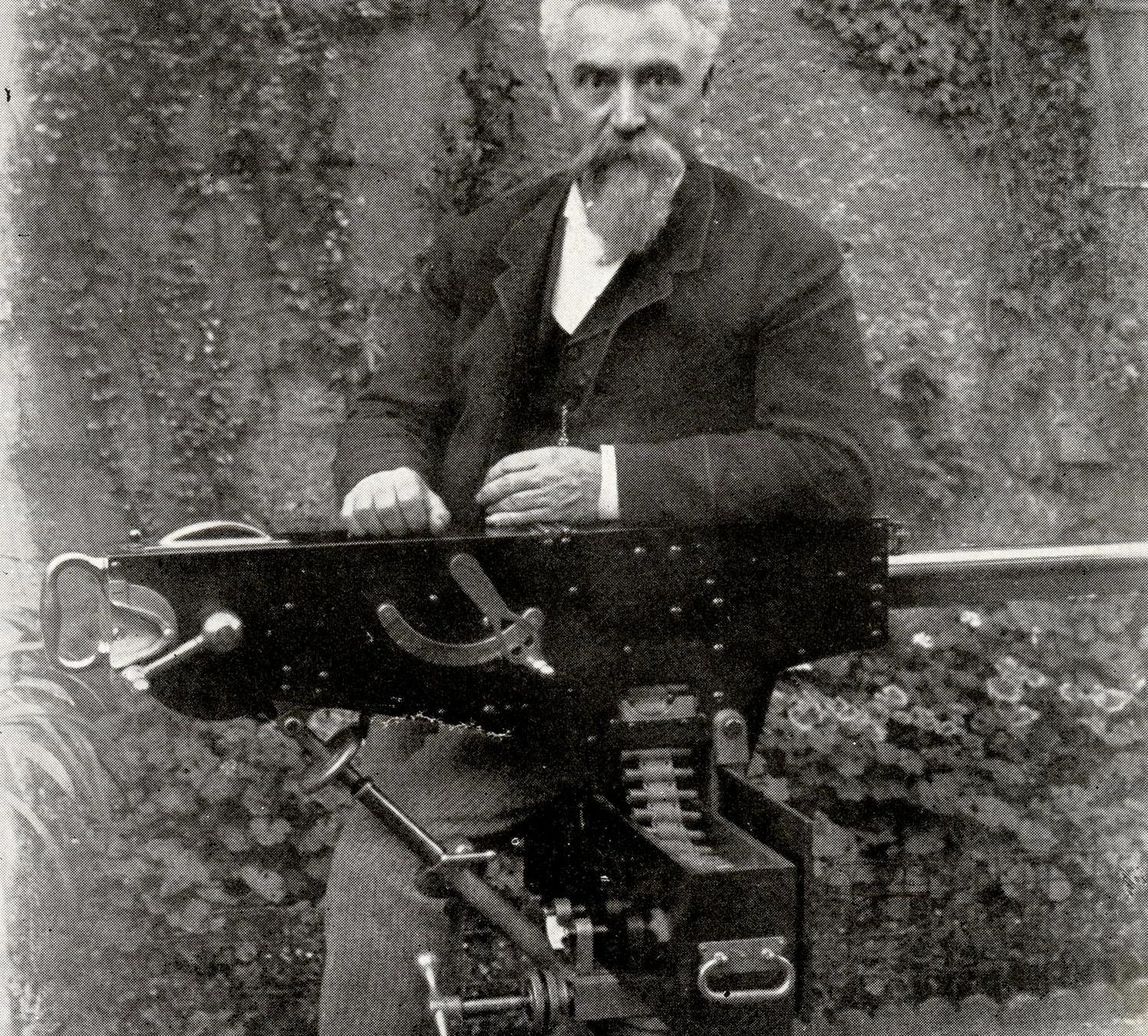
On November 24, 1916, Sir Hiram Stevens Maxim died at the age of 76. Despite holding patents for everything from mousetraps to curling irons, Maxim is best known for his machine gun.

On November 21, 1865, US patent 51,117 was issued to William Mason for the swing-out revolver cylinder.
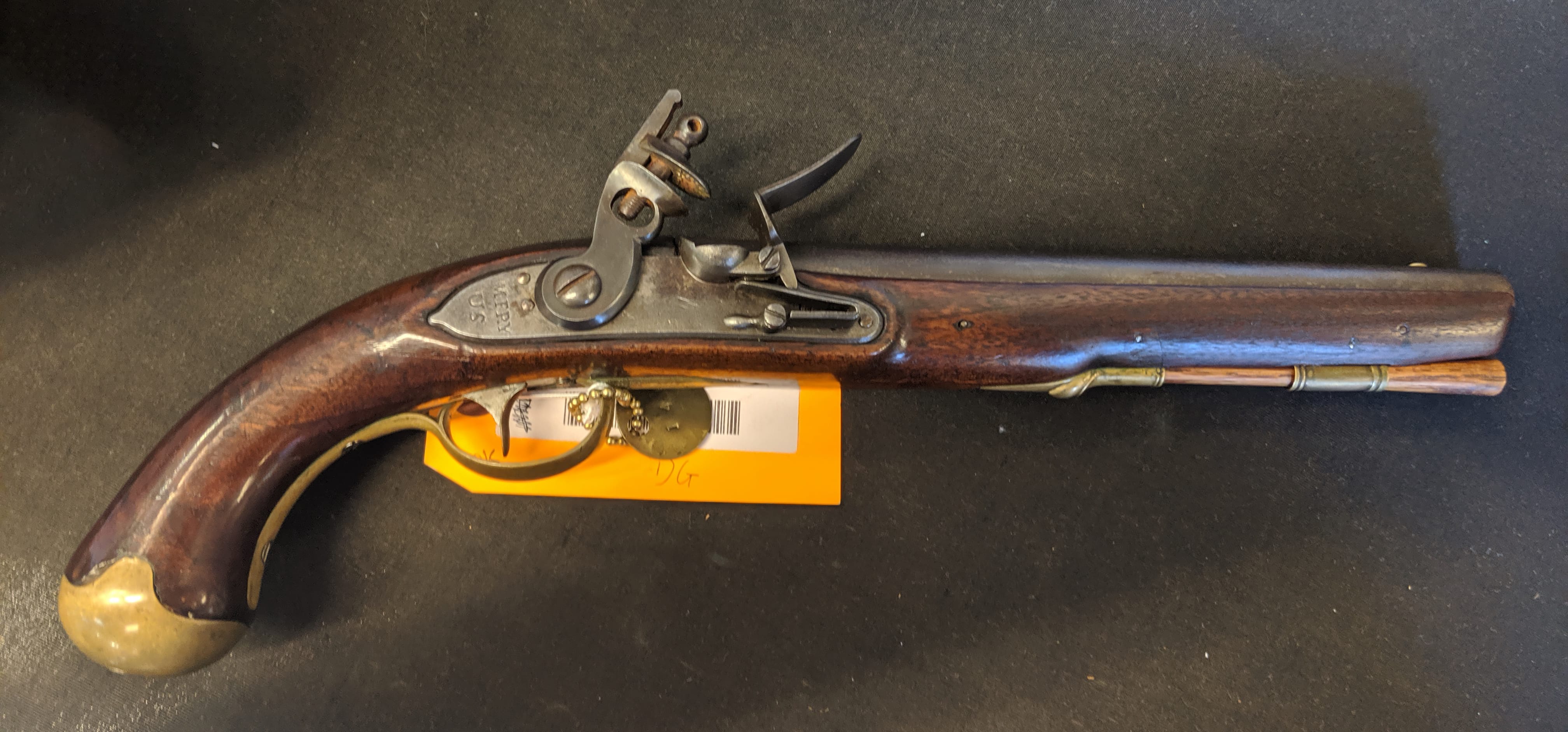
Martin Fry was an accomplished gunsmith, but 113 of the 116 pistols he made for a government contract in 1808 were rejected.
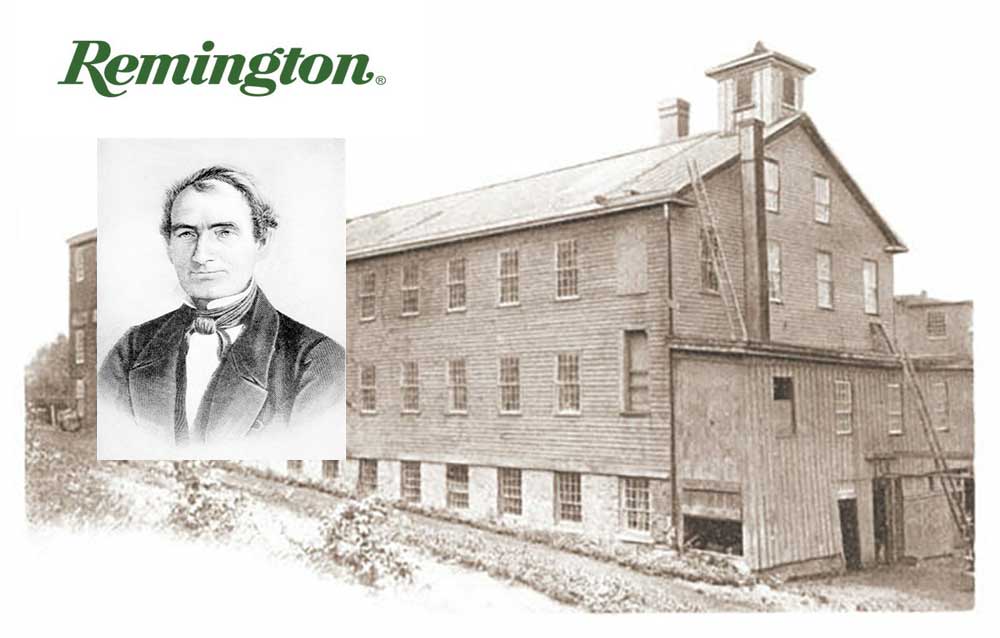
On October 28, 1793, Eliphalet Remington II was born in Suffield, Connecticut. His father was a blacksmith, and Eliphalet followed in his footsteps, eventually going to work in the family business.

On October 22, 1968, President Lyndon B. Johnson signed the Gun Control Act of 1968 into law.

On October 14, 1940, Carl Swebilius of High Standard patented a submachine gun chambered for the 9x19mm cartridge.
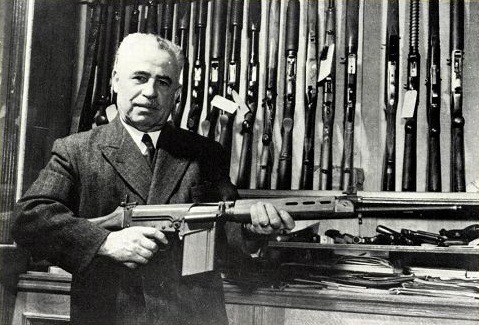
On October 12, 1970, Dieudonne Saive passed away at the age of 82. His most famous legacy is that of the Fusil Automatique Leger, or FAL.

John Simpson fired his Dutch Type III smoothbore musket, opening the Battle of Bunker Hill and cementing his place in history.

On October 3, 1899, Arthur Savage received US patent number 63,4034 for a firearm that would become known as the Savage Model 99.

Even though Colt’s success would ultimately last a lot longer, Robert Adams is credited with driving Sam Colt out of business in Britain.

Lieutenant General Kijirō Nambu, whose name is best known when preceded by “Grandpa,” “Papa,” or “Baby,” was born on September 22, 1869.

Made by the Birmingham Small Arms Company, the Welrod was quite unique. It was – obviously – designed to blend in and not look like a gun upon first glance.

As a museum professional, I’ve had the opportunity to handle some remarkable pieces of American history, and these three all relate to September 11th.
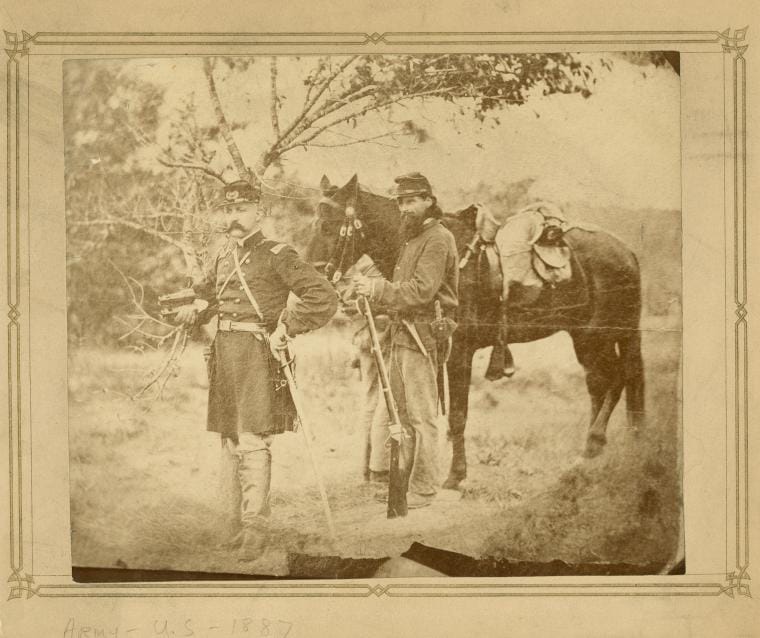
From 1846 to 1860, Hiram Berdan was considered to be the best rifle shooter in the United States. This prominence gained him the attention of General Winfield Scott and President Abraham Lincoln.
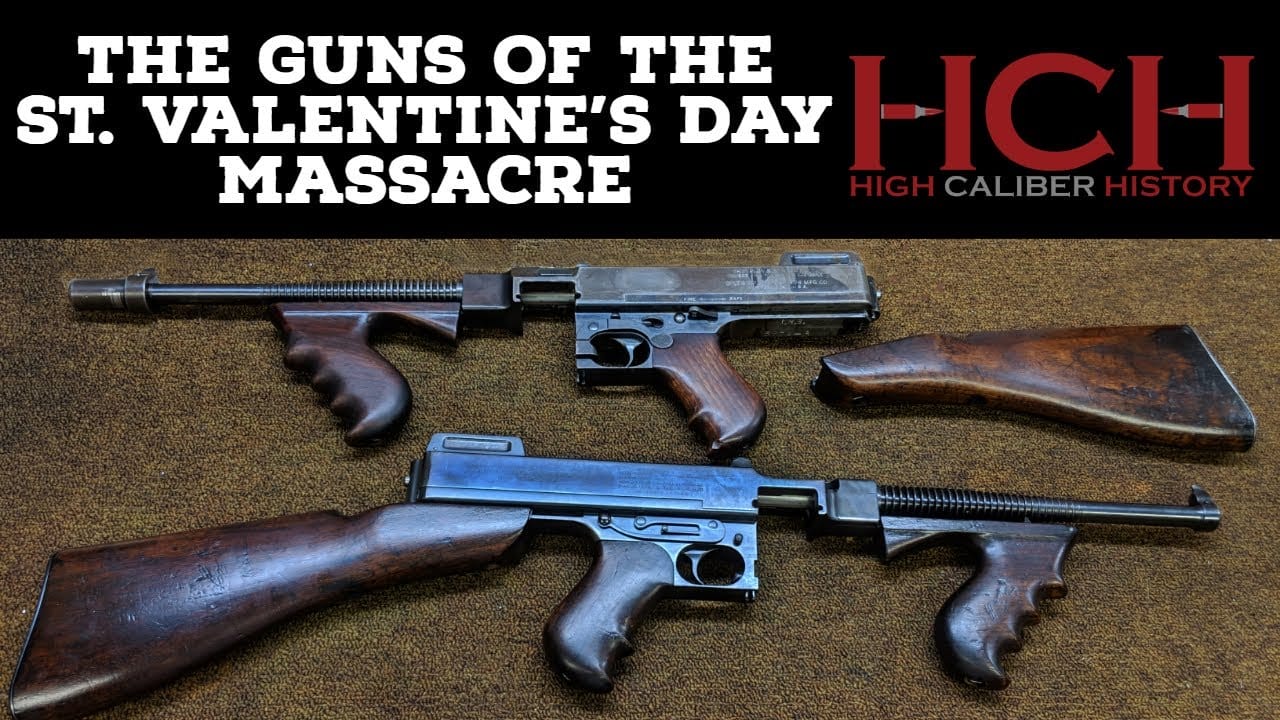
The long saga of the two Tommy guns from the St. Valentine’s Day Massacre unfolds: from Chicago to the Berrien County Sheriff’s Department in Michigan.
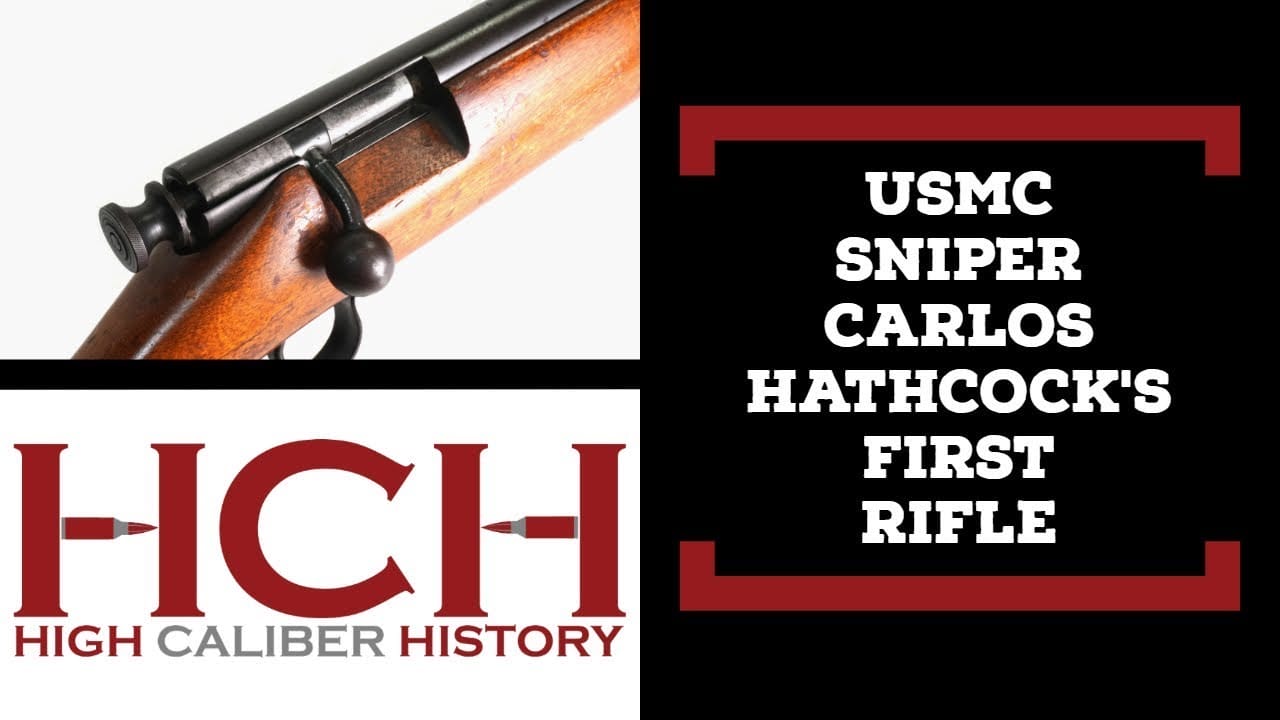
Ask anyone what kind of gun was used when they learned how to shoot as a child and they will almost always say it was some kind of .22-caliber pistol or rifle.

Much to their dismay, John Moses Browning got along just fine without Winchester.

Browning received US patent 1,070,582 on August 19, 1913.
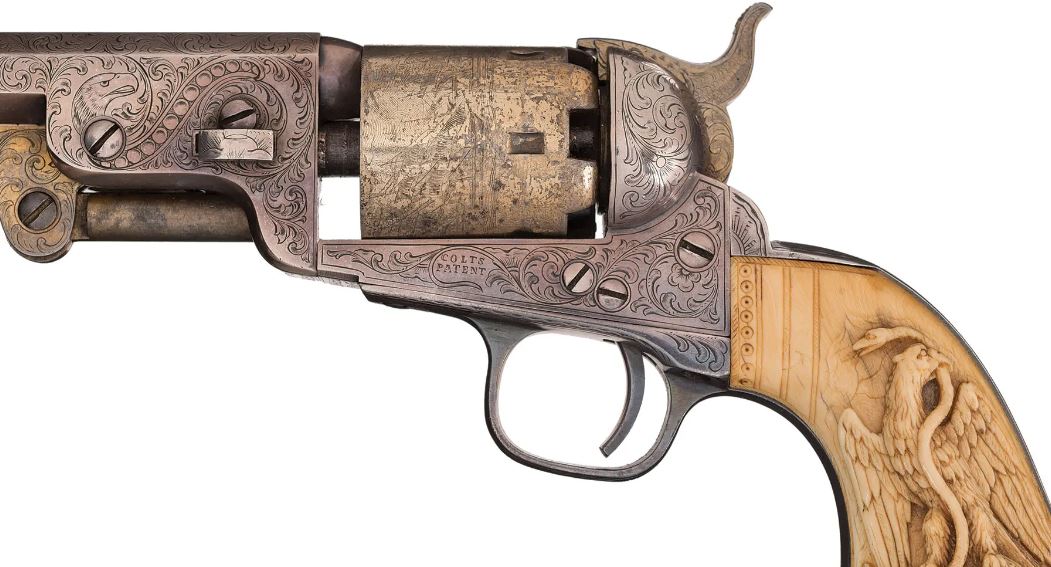
On July 29, 1870, a 23-year-old engraver by the name of Herman Leslie Ulrich took a job at the Winchester Repeating Arms Company.

On July 21, 1949, Sturm, Ruger & Company was issued their first FFL, or Federal Firearms License.
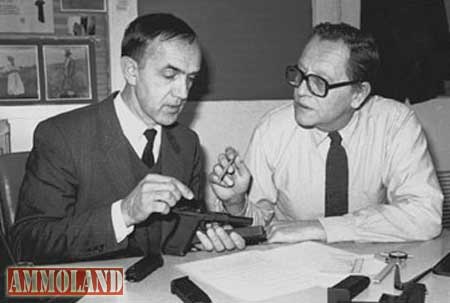
Ninety years ago today, on July 19, 1929, Gaston Glock was born in Vienna, Austria.
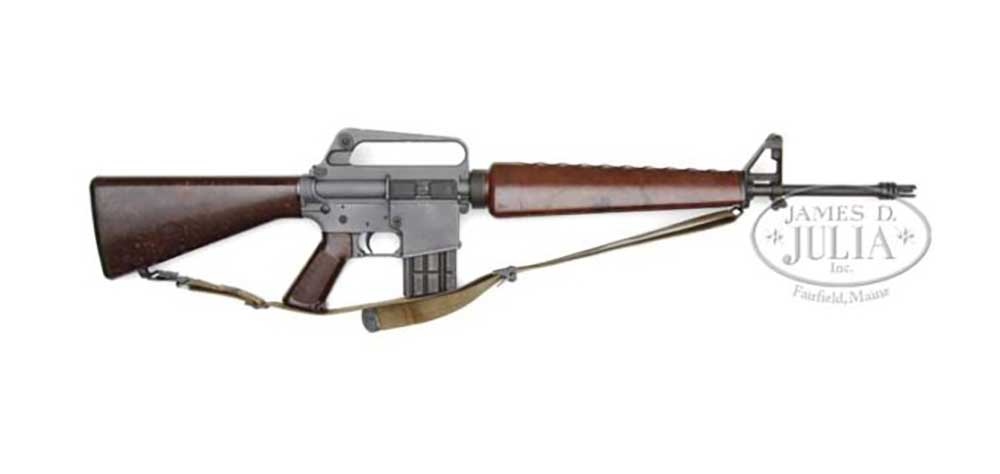
On July 4, 1960, Air Force General Curtis LeMay unknowingly set in motion the steps necessary for the AR15 to become widely regarded as “America’s Rifle.”

North American Arms received a contract to make 1911s, but WWI ended and their contract was cancelled before production began.