The Third Circuit has ordered fast supplemental briefing in New Jersey’s AR-15 and magazine ban case, asking both sides to address the impact of the Supreme Court’s latest Second Amendment rulings in Wolford and Hemani.
A Seventh Circuit panel led by Judge Frank Easterbrook signaled that lifetime gun bans for people once committed to a mental institution may require proof of present dangerousness.
In 1976, many gun owners believed the Second Amendment was nearly lost. As America turns 250, the movement has delivered Heller, McDonald, Bruen, permitless carry in 29 states, and a Supreme Court showdown over AR-15 bans.
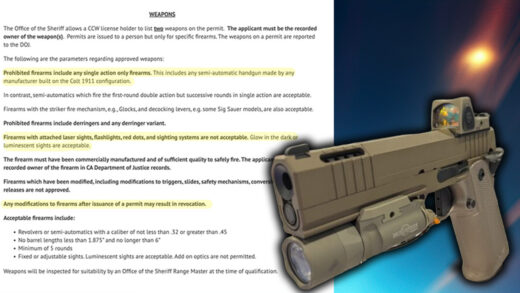
California is fighting the DOJ’s lawsuit over AB 1127 by arguing Glock-style pistols can be restricted because of their alleged convertibility into machine guns.
The Justice Department has stepped into Virginia’s fight over its new “assault firearms” ban, filing a federal lawsuit as state court injunctions already block enforcement of the July 1 law.
The Supreme Court’s Wolford v. Lopez decision is more than a win over Hawaii’s “vampire rule.” It is a reminder that the right to armed self-defense exists before government permission.
Tennessee’s appeal in Hughes v. Lee puts two gun-control statutes back before the courts after a three-judge panel ruled the state’s “Going Armed” and parks carry laws unconstitutional.
The Supreme Court’s decision in Wolford v. Lopez does more than defeat Hawaii’s private-property carry restriction. It also limits how lower courts can dodge Bruen and narrow the Second Amendment before history and tradition are even considered.
The Supreme Court ruled that Hawaii cannot make concealed carry illegal by default in businesses open to the public, handing gun owners a major post-Bruen victory.
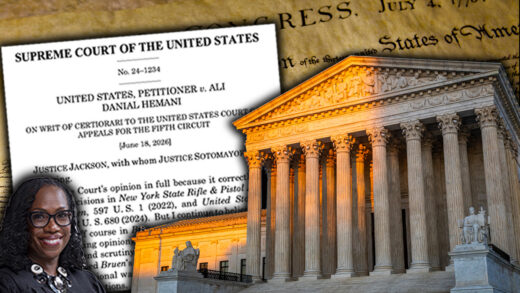
The Supreme Court’s Hemani decision reinforces a simple constitutional reality: the government cannot restrict the right to keep and bear arms unless it can prove the restriction fits America’s historical tradition.
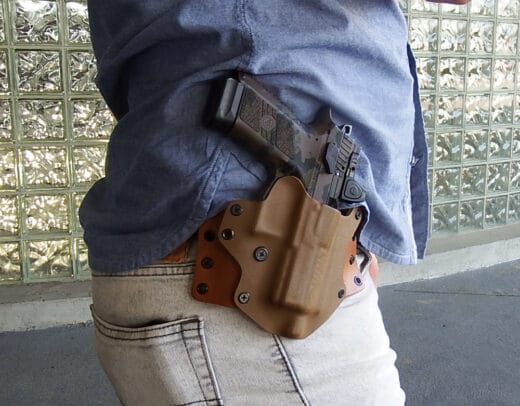
SAF says Contra Costa County residents are barred from carry setups that out-of-county California permit holders can legally carry through the county.
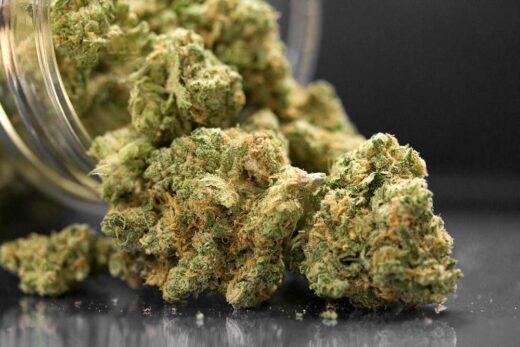
The Supreme Court’s 9-0 Hemani judgment rejected automatic disarmament based solely on regular marijuana use. Its rigorous historical analysis could also spell trouble for Hawaii’s “Vampire Rule” in Wolford v. Lopez.
Justice Ketanji Brown Jackson joined the unanimous judgment protecting Ali Hemani’s Second Amendment rights. Her concurrence, however, called Bruen a “failed experiment” and urged a return to government-friendly means-end scrutiny.
The Supreme Court’s decision in United States v. Hemani rejects automatic status-based disarmament under § 922(g)(3), telling the federal government that marijuana use alone does not erase the Second Amendment.
Washington’s Supreme Court upheld a law stripping gun rights after two DUIs, raising major Second Amendment questions under Bruen and Rahimi.
The Supreme Court is expected to release decisions soon in Wolford v. Lopez and United States v. Hemani, two Second Amendment cases that could clarify how lower courts apply Bruen after Rahimi.
The NRA and Michigan gun rights groups have filed Moser v. Nessel, a federal Second Amendment lawsuit challenging Michigan’s pistol purchase permit and state-maintained handgun registry.
The en banc Ninth Circuit heard arguments in Baird v. Bonta, where California defended its open carry ban by claiming concealed carry permits satisfy the Second Amendment.
The Fifth Circuit’s Ten Commandments ruling is about more than religion in schools. It shows Bruen’s text-and-history method spreading through constitutional law.
The Justice Department’s amended complaint against Washington, D.C., targets the city’s AR-15 and suppressor bans as violations of the Second Amendment — and frames enforcement of those bans as a civil-rights problem.
Patrick “Tate” Adamiak was sentenced to 20 years in federal prison after the government treated cut-up parts, separated components, and inert training tubes as National Firearms Act weapons. Now Palmetto State Armory, the National Association for Gun Rights, and the Right to Bear Association are asking the Supreme Court to step in.
SAF’s amicus brief in Baird v. Bonta tells the Ninth Circuit that California cannot ban open carry and claim the Second Amendment survives because concealed carry remains available.
DOJ is now challenging both Denver’s AR-15 ban and Colorado’s statewide magazine ban. The Supreme Court already has hardware-ban cases in front of it. It should take one.
The Justice Department has sued Denver over its long-standing ban on so-called “assault weapons,” arguing the city is violating the Second Amendment by banning AR-15-style rifles and standard-capacity magazines commonly owned by law-abiding Americans.
The Second Amendment Foundation is asking the U.S. Supreme Court to review Patrick Tate Adamiak’s NFA case, warning that lower courts are narrowing Bruen before the government ever has to defend its firearms laws with historical evidence.
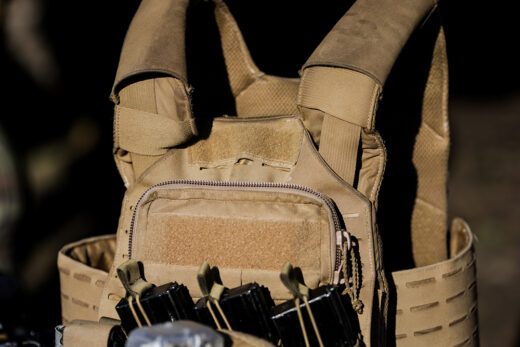
Brady, Giffords, and Everytown are urging a federal court to uphold New York’s body armor ban, arguing ordinary Americans have no Second Amendment right to buy protective gear unless the state approves their profession.
By refusing to hear Schoenthal v. Raoul, the Supreme Court left standing a Seventh Circuit opinion that treats public transit as a sensitive place and could encourage broader carry bans in crowded public spaces.
A three-judge First Circuit panel upheld Maine’s 72-hour gun waiting period and adopted the view that laws regulating the purchase or acquisition of firearms do not implicate conduct covered by the Second Amendment’s plain text.
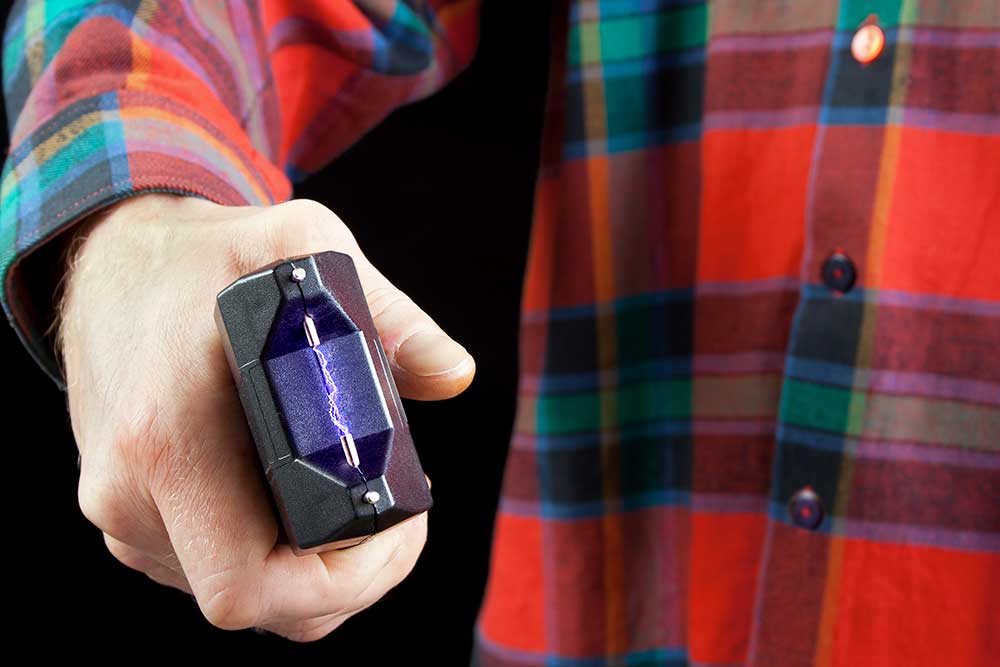
In Calce v. City of New York, Second Circuit judges appeared focused on whether challengers proved stun guns are in “common use,” highlighting how lower courts want to slip that issue into Bruen step one and avoid forcing the government to defend a ban with real historical analogues.
Judges on the Ninth Circuit en banc court sharply questioned Hawaii’s defense of handgun permit delays and post-purchase inspection rules in Yukutake v. Lopez, with Bruen Footnote 9 and the “meaningful constraint” test taking center stage.

 RSS feed