
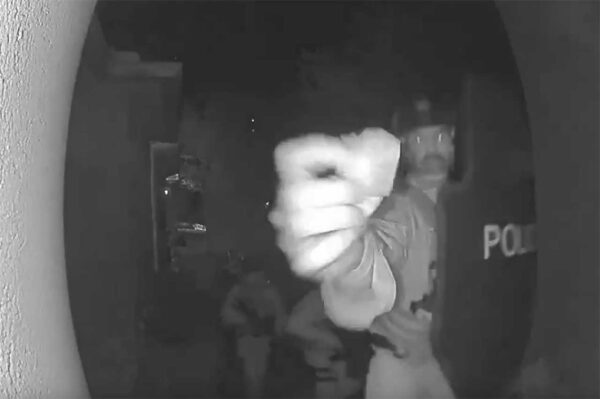
A federal judge has refused to let the government escape most of the wrongful-death lawsuit filed by Maria “Maer” Malinowski after ATF agents fatally shot her husband, Bryan Malinowski, during a predawn raid at their Little Rock, Arkansas, home.
The ruling is not a final judgment against the ATF or the United States, but it is a major procedural defeat for the government. The government asked the court to dismiss all nine Federal Tort Claims Act claims. Judge Lee P. Rudofsky said no to most of that request.
In his June 17 order in Malinowski v. USA et al., the judge allowed claims for wrongful death, assault and battery, negligence, intentional infliction of emotional distress, manslaughter/negligent homicide under Arkansas’ crime-victim statute, battery, aggravated assault, and criminal mischief to move forward. The court dismissed only the FTCA false-imprisonment claim without prejudice and removed ATF itself as a named defendant because FTCA claims proceed against the United States, not the agency directly.
The government wanted this case stopped before discovery could dig deeper into the planning, timing, body-camera failures, and execution of the raid. Instead, most of Maer Malinowski’s claims survived.
A “Routine” Warrant That Ended In Death
The court described the warrant as “a fairly routine search warrant for a fairly routine (alleged) crime.” That alleged crime was dealing in firearms without a license and unlawful acquisition of firearms. That line alone should make every gun owner in America sit up straight.
Bryan Malinowski was not accused of murder, terrorism, armed robbery, or being part of a cartel hit squad. He was suspected of buying and selling firearms without the government’s preferred paperwork. ATF had a search warrant, not an arrest warrant. Yet agents chose a predawn tactical entry into the home of a man they knew had no criminal history and no history of violence.
AmmoLand has covered this case from the beginning, including the fatal raid, the missing body cameras, the congressional grilling of then-ATF Director Steven Dettelbach, the federal lawsuit, and the recent push by Arkansas lawmakers for a Trump DOJ investigation.
The Knock-And-Announce Problem
According to the order, ATF initiated the operation at about 6:02:58 a.m. Agents knocked and shouted for about 19 seconds, waited roughly nine more seconds, and then began forcing entry. The court treated 28 seconds as the relevant wait time before agents started breaking into the home.
The judge found that, taking Maer Malinowski’s allegations as true at this stage, she plausibly alleged that ATF violated the Fourth Amendment.
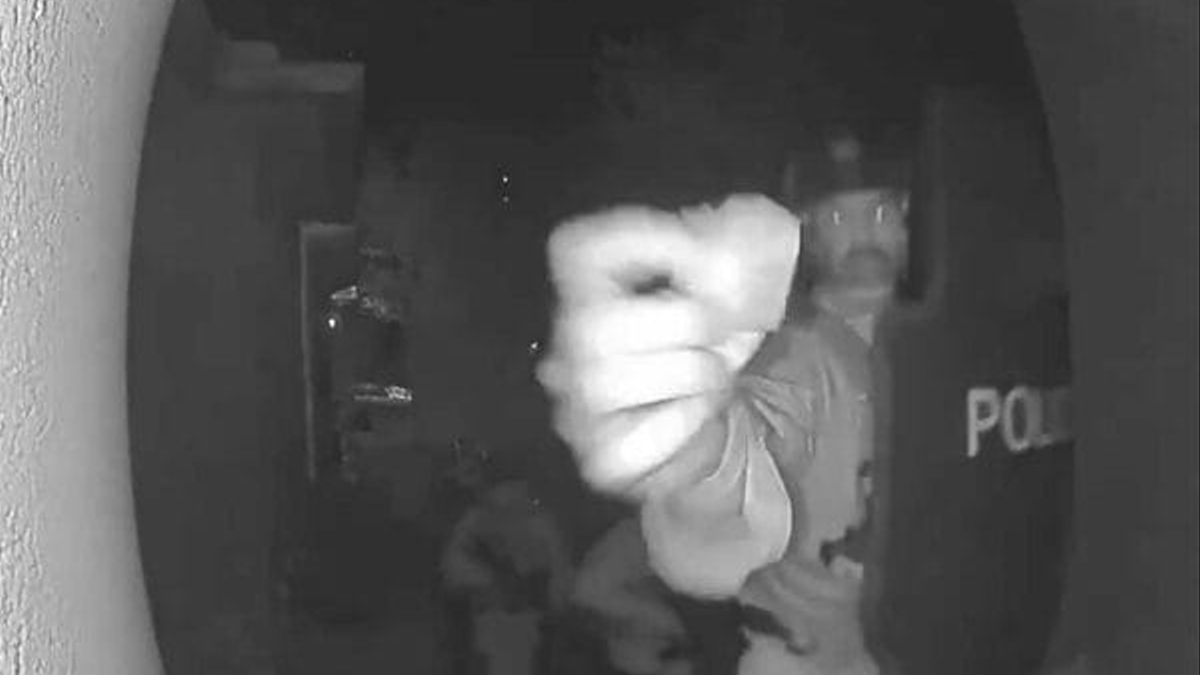
The court noted that ATF knew several important facts before the raid. Agents knew the home was large. It was dark and they knew the Malinowskis were likely asleep. Agents had covered the doorbell camera. The police siren was chirped for only about 1.5 seconds.
The judge wrote that “28 seconds was not enough time to reasonably suggest to law enforcement that the Malinowskis were refusing them entry.”
Guns In The Home Are Not An Excuse
The government argued that officer safety justified the fast forced entry because agents believed firearms were inside the home. Judge Rudofsky did not buy that as enough.
“The fact that Mr. Malinowski had guns doesn’t make it reasonable to assume he would use them violently,” the court wrote, citing Eighth Circuit precedent that the suspected presence of firearms alone does not justify otherwise unlawful entry.
The court also rejected the idea that evidence destruction justified the fast breach. Unlike drugs, the judge noted, firearms cannot be flushed down a toilet in a matter of seconds.
If the mere presence of firearms in a home were enough to justify rushed forced entry, then the Fourth Amendment would mean less for gun owners than for everyone else. The court did not go that far.
Initial Aggressor Question Cuts Against The Government
The government also argued that Arkansas law immunized the agents because Bryan fired first. The court said that the argument reads too much into the complaint.
The complaint alleges Bryan fired a shot that hit an agent in the boot sole. But the court said it is plausible that the agents were the initial aggressors if they “under the cover of darkness and without identifying themselves” unconstitutionally forced their way into the home with guns drawn.
The court put it bluntly: “Objectively speaking, an unidentified party that unlawfully barges into another’s house in the dark with guns drawn is the initial aggressor.”
What Happens Next
This case is now alive in a meaningful way. The government may try again later at summary judgment, especially after discovery. The judge made clear that Maer Malinowski will not be able to rely only on her complaint forever. But for now, the government failed to shut down most of the case.
That means discovery could become the next major battleground. The public may finally learn more about why ATF waited until Bryan was home, why agents covered the doorbell camera, why body cameras were not used, why less aggressive options were rejected, and why a suspected paperwork/licensing case was handled like a violent felony raid.
For gun owners, the lesson is chilling but simple: when federal agents treat ordinary firearm activity as a reason for military-style tactics, innocent people can die. This lawsuit is one of the few remaining paths to force answers.
Arkansas Lawmakers Ask Trump DOJ to Investigate ATF Raid That Killed Bryan Malinowski
About Duncan Johnson:
Duncan Johnson is a lifelong firearms enthusiast and unwavering defender of the Second Amendment—where “shall not be infringed” means exactly what it says. A graduate of George Mason University, he enjoys competing in local USPSA and multi-gun competitions whenever he’s not covering the latest in gun rights and firearm policy. Duncan is a regular contributor to AmmoLand News and serves as part of the editorial team responsible for AmmoLand’s daily gun-rights reporting and industry coverage.


Sadly, even when the widow prevails as I predict she will, her husband remains dead. This kind of governmental overreach cannot be remediated by paying her any amount of taxpayer monies. The agency should be stripped of all enforcement duties and those at the top should be brought up on charges for allowing this murder to happen.
If someone busts down my front door, say at 3 am, I have no choice but to believe they are armed robbers or worse. Of course I am going to shoot them. I would have no reason to believe they are law enforcement since I have not and will not be engaging in illegal activities. I realize that if they are LE then I will die but I cannot take the chance that the door busters are thugs intending harm to my family and myself.
Outlaw no-knock raids except in extreme cases. This was simply a repeat of Waco on a smaller scale.
Out in Phoenix there is at least one group of robbers that dress in complete police uniform; clothing, radios, badges, cuffs and guns — the whole nine yards. There is no way to tell or confirm who someone is in real time while they are breaking into your house no matter who or what they claim or say to be. A tree is known by it’s fruit meaning actions at least, determine intent. Therefore, if you act like a terrorist, a robber, a murderer or a rapist, or if you purposely tape up the lens of recording devices so as… Read more »
The ATF should be transferred back to the Treasury Department and its guns taken away. How many have to die? Ruby Ridge, Waco, etc. The ATF was originally a tax collection agency. Taxes on alcohol and tobacco mainly. These morons kill people. Instead of Defund the Police, we should have Defund the ATF.
And there you have it. Ms. Malinowski will win on all counts (I hope), but the agency responsible, and more importantly the agents (especially those in command who planned and executed the whole thing), will walk away unscathed. “Justice” is served yet again.
But I don’t have a crystal ball, so I guess we’ll just have to wait and see how this plays out. Speculation does little.
There have been events such as this, as a test to see how far
indoctrination has spread. Also, to impress the population with
the terrible wrath of government.
IMO, the guy could have been approached on his way into work in the daylight without bashing down his door and endangering everyone in the home. Doubt anyone would answer or open their door to someone banging on it.
After seeing the picture of them putting tape on the doorbell camera, ensure you get cameras inside and out to record the attack.
Premeditated murder.
Every agent should be required to take a standardized test to insure their mental ability to identify “tyrannical behavior”. Then apply the reality check to themselves, then to their leadership. In Vietnam they instituted “fragging”. Good God, learn from history or you are doomed to repeat it. They started lowering the bar for new hires in law enforcement decades ago. It is true that most brave households will defend their castles and end up dead for it. Officials NEED to have an internal reality check because they become numb to the fact that they themselves may not be coming home… Read more »