
In a Dec. 6 episode, Hanson tied a late-night threat against his family to a larger argument about self-defense, prosecutors, and state power.
Victor Davis Hanson Says a 1987 Threat Made the Second Amendment Personal

America’s oldest Second Amendment News outlet.
Dean Weingarten has been a peace officer, a military officer, was on the University of Wisconsin Pistol Team for four years, and was first certified to teach firearms safety in 1973.
He taught the Arizona concealed & carry course for fifteen years until the goal of constitutional carry was attained.
Dean is an outspoken defender of the Right to Keep and Bear Arms and an accomplished writer and reporter for AmmoLand Shooting Sports News and his blog gunwatch.blogspot.com
 RSS feed
In a Dec. 6 episode, Hanson tied a late-night threat against his family to a larger argument about self-defense, prosecutors, and state power.

Forest Pines Condominiums has banned residents from carrying firearms on sidewalks, in parking areas and throughout other shared spaces. But South Carolina law and a prior attorney general opinion leave major questions about the HOA’s authority.

An Alaska woman credits regular firearms practice with helping her stop a close-range black bear attack after the animal severely mauled her dog near Skilak Lake.
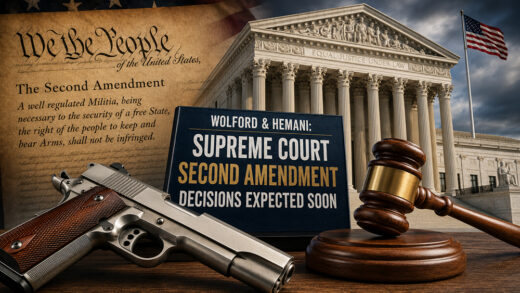
The Supreme Court is expected to release decisions soon in Wolford v. Lopez and United States v. Hemani, two Second Amendment cases that could clarify how lower courts apply Bruen after Rahimi.
A deadly Kyiv supermarket attack has pushed Ukraine’s civilian firearms debate back into the spotlight, with Interior Minister Ihor Klymenko and President Volodymyr Zelensky signaling support for a modern law on civilian gun ownership and armed self-defense.

Bear spray advocates often claim spray is faster and easier to deploy than a handgun, rifle, or shotgun. The evidence is not that simple. With proper carry, training, and practice, bear spray and firearms can all be deployed quickly. The real question is whether the defensive tool is accessible when the bear attack begins.

Florida lawmakers passed HB 7031E, a major tax package that includes a sales tax holiday for firearms, ammunition, suppressors, listed firearm accessories, and hunting, fishing, and camping supplies.

The May 2026 NICS numbers show a split picture: total FBI background checks are down, but NSSF-adjusted checks suggest retail firearm demand is up. Meanwhile, NFA-related checks for suppressors and short-barreled rifles surged more than 100 percent.

Two armed Good Samaritans intervened outside a Port St. Lucie church and stopped an alleged kidnapping attempt by a convicted felon accused of violating a domestic violence injunction.
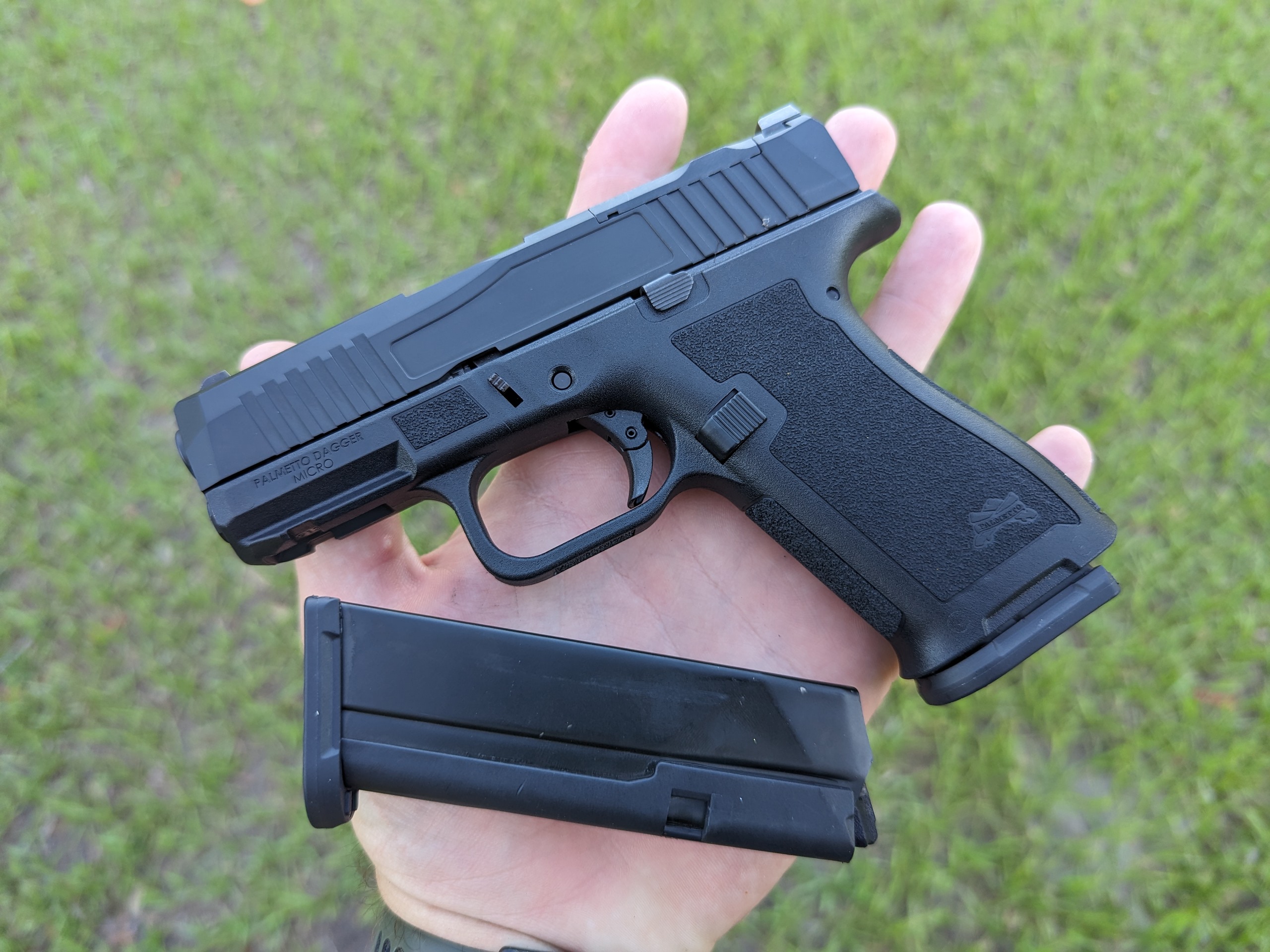
The anti-gun lobby wants Americans to fear armed citizens, but the available conviction and permit data tell a very different story. Concealed carry permit holders remain one of the most law-abiding groups in the country.
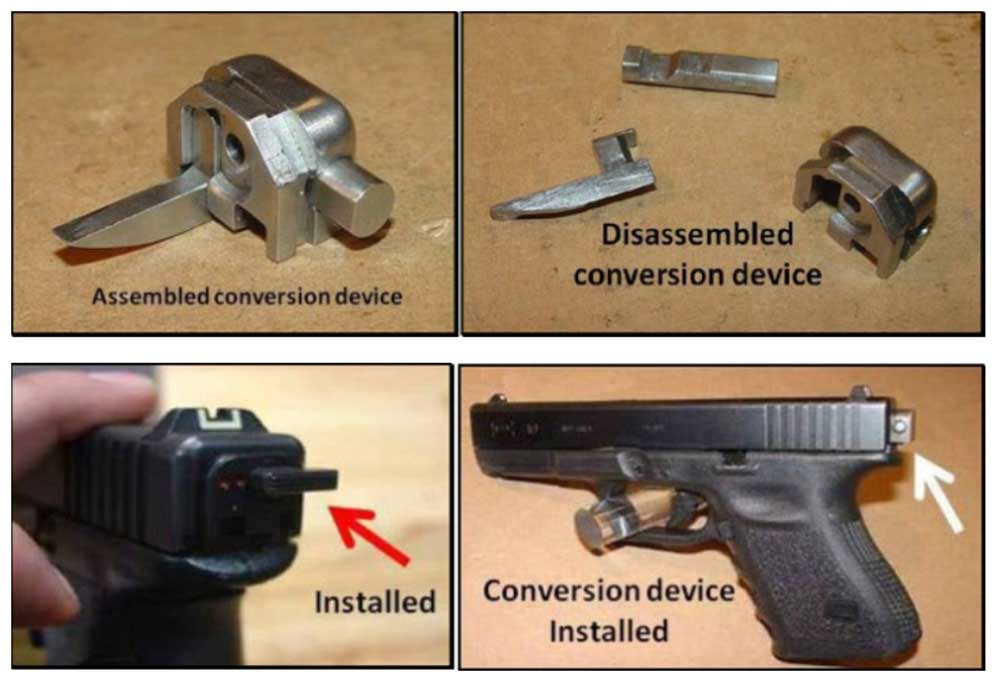
New research from the Crime Prevention Research Center found only a small number of murders tied to Glock switches over more than five years, undercutting the political push to use already-illegal conversion devices as an excuse to attack common Glock-style pistols.

Tennessee Gov. Bill Lee has signed SB1847 into law, giving residents limited new deadly force protections in serious property-defense situations.

New Hampshire’s HB 1793 campus carry bill is dead for the year after the Senate stripped the House-passed bill down to a faculty-only firearm provision and then refused to negotiate with the House in a conference committee.
A CPRC report says the FBI’s active shooter data leaves out scores of incidents where armed citizens stopped attacks. The numbers raise serious questions about how the FBI defines, selects, and reports these cases.
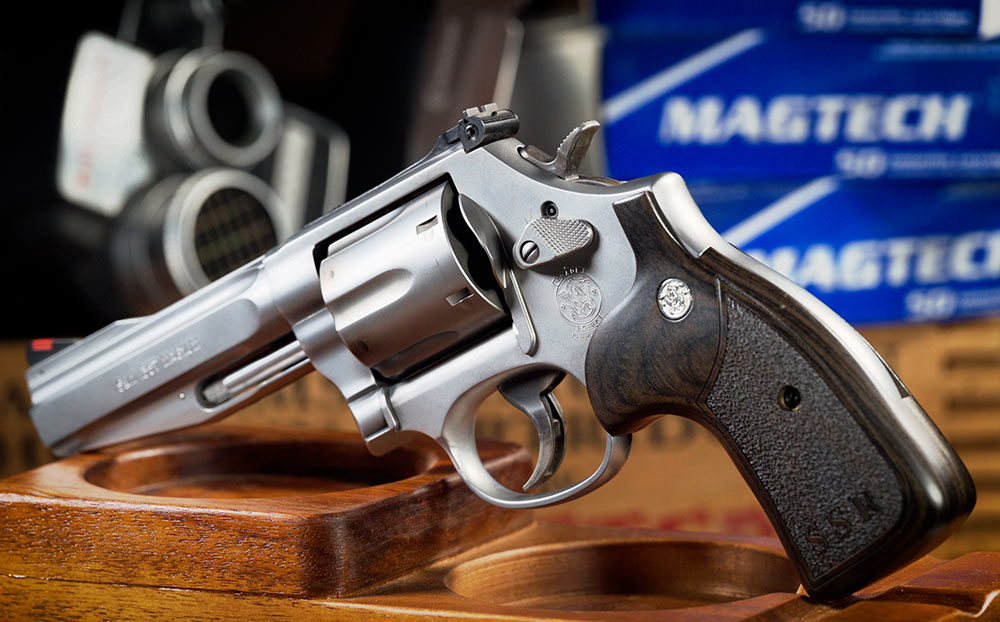
The death of Anthony Pollio on Glacier’s Mount Brown Trail has reopened the debate over bear spray, firearms, and what actually works when a bear keeps coming.
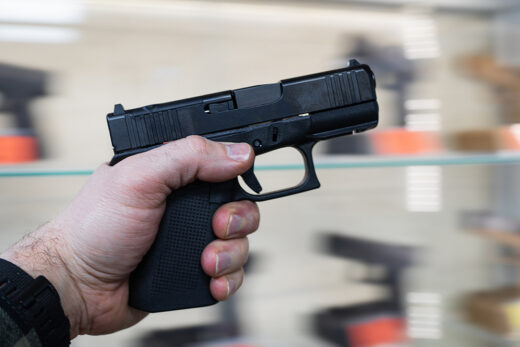
April 2026 NSSF-adjusted NICS checks rose 1.6% year over year, showing steady firearm demand, while NFA-related checks exploded 130.3% after Congress removed key NFA tax barriers.
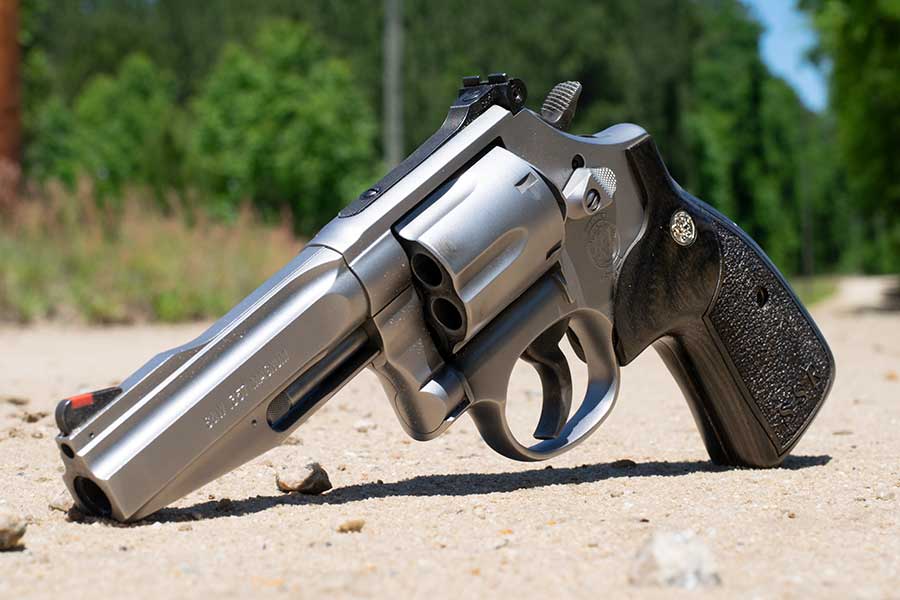
Documented handgun-defense cases involving black bears and polar bears show a clear pattern: most incidents were resolved with six shots or fewer, though warning shots produced mixed results.
Tennessee’s SB1847/HB1802 is not a blanket license to shoot over property. The final bill creates a narrow deadly-force justification tied to serious crimes and serious danger.

Congress reduced the NFA tax on suppressors to $0, but suppressors remain trapped inside the federal registration system. Now several states are moving to clean up their own laws before gun owners get caught in another legal mess created by decades of federal overreach.

Brown, grizzly, and Kodiak bear encounters tend to involve more handgun shots than other bear-defense cases. A review of 109 documented Ursus arctos handgun-only incidents shows how often one shot was enough, when warning shots worked, and why larger bears skew the overall numbers.
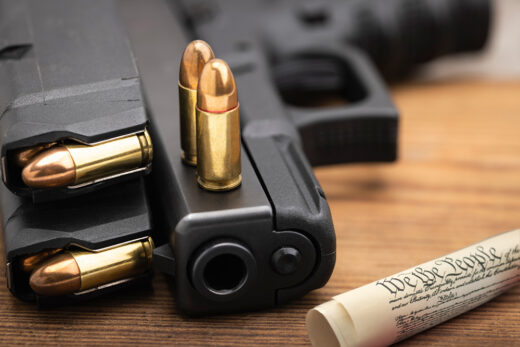
The Supreme Court of Maryland ruled that Montgomery County went too far with parts of its firearms ordinance, including restrictions affecting state-issued wear-and-carry permit holders traveling on public highways.

Everytown’s AI-powered EveryShot database is marketed as a near-real-time gun violence tracker. But a review of its “legal machine gun” results suggests the tool can misclassify firearms, ownership status, and incident details.

After six years of litigation, the Pennsylvania State Police agreed to revoke its policy treating partially manufactured frames and receivers as firearms under state law. The Firearms Policy Coalition did not get a final merits ruling, but it secured the practical result it sought.

Critics say Trump has not done enough for gun owners because the ATF still exists and the NFA and GCA remain law. But presidents cannot repeal statutes by executive order. The better question is what Trump has done with the authority he actually has.

Were pistols common in Revolutionary America? Historical evidence from Cramer and Olson’s Willamette Law Review article shows pistols were privately owned, commercially available, and familiar to Americans at the Founding.

More than 200 documented cases involving handguns and bear defense offer a revealing look at how these confrontations unfold. In the known cases where shots fired could be counted, most incidents were resolved with six shots or fewer, while warning shots delivered mixed results.
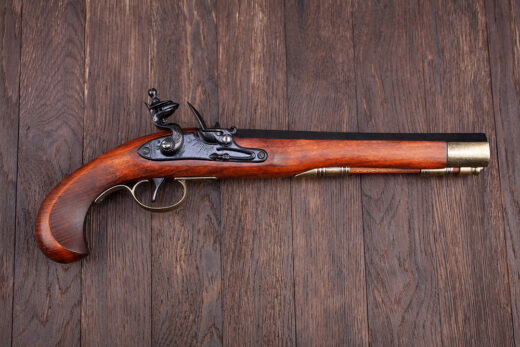
Records from the Siege of Boston show that residents surrendered 1,778 firearms, 634 pistols, and 38 blunderbusses in 1775, offering powerful evidence that handguns were commonly owned during the founding era.

FBI LEOKA data show 53 officers were feloniously killed in 2025, down from 2024, with early 2026 numbers also trending lower. The long-term pattern is uneven, but officer deaths remain well below earlier peaks.

Wyoming lawmakers considered HB14, a bill that would have reimbursed people found not guilty, released, or cleared after lawful self-defense and allowed expungement of related records. The measure failed introduction in the House.
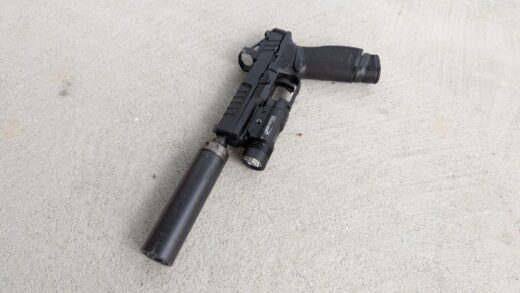
New figures attributed to the ATF show nearly 5.8 million registered suppressors in the United States, underscoring just how fast silencer ownership is growing among American gun owners.